Catford Bridge terrace garden guide SE6 by expert gardeners
Posted on 27/10/2026
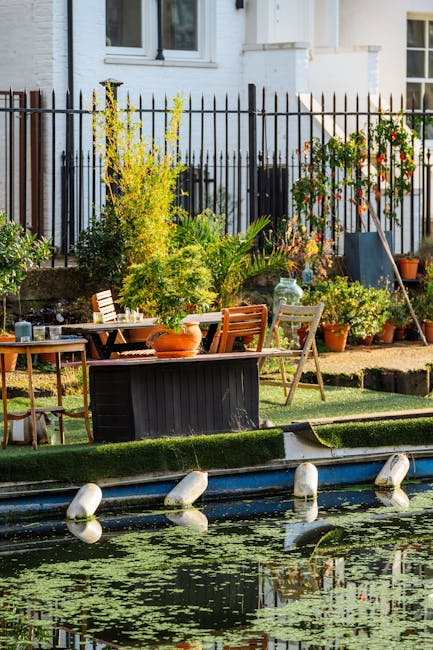
If you live near Catford Bridge, you already know the appeal of a terrace garden: a compact outdoor space that can be private, practical, and surprisingly beautiful when it's planned well. The catch? SE6 terraces often have awkward light, windy pockets, tight access, and very little room for mistakes. That's exactly why this Catford Bridge terrace garden guide SE6 by expert gardeners is worth your time. It brings together the sort of decisions that actually matter on the ground - from layout and drainage to planting, privacy, and upkeep - so your terrace feels like a proper extension of the home rather than a cluttered afterthought.
Truth be told, terrace gardens can be some of the most satisfying spaces to transform. They ask a little more care, but they give a lot back. A good design can soften hard paving, make evening seating feel calm, and turn a narrow strip into a genuinely usable garden. Let's walk through the practical details, the common pitfalls, and the small expert moves that make a big difference.
Why Catford Bridge terrace garden guide SE6 by expert gardeners Matters
Terrace gardens in this part of south London tend to face the same few challenges: limited footprint, neighbouring overlooking, exposed edges, uneven surfaces, and a mix of sun and shade that changes through the day. That means the garden has to do several jobs at once. It needs to look good, cope with weather, offer privacy, and remain easy to use without feeling cramped. Not always easy. But very doable.
What often gets overlooked is that a terrace garden is not just "a small garden". It's a micro-environment. A brick wall can store warmth in the evening, a fence can create a tunnel effect for wind, and a single overgrown shrub can block light to the whole area. In SE6, those details matter. A well-judged terrace layout can make a narrow outside space feel calmer, larger, and more coherent within a single season.
There's also the lifestyle side. A terrace garden can become a breakfast corner, a safe play area, a place to grow herbs, or a quiet spot to sit with a mug of tea while the train hums in the distance. That kind of everyday usefulness is what turns a nice-looking space into a genuinely valuable one.
For homeowners and tenants alike, a terrace garden is one of the most practical ways to improve outdoor living without major structural work. If you want a quick boost, some people start with simple maintenance and compare ideas through routine garden maintenance in Catford, while others look at broader design support through landscaping in Catford. Either way, the principle is the same: small spaces reward planning.
How Catford Bridge terrace garden guide SE6 by expert gardeners Works
The best terrace gardens are built from a sequence of decisions, not a random pile of pots. The working order usually goes like this: assess the space, solve structural issues, decide how you want to use it, then choose planting and finishing touches that support that use. In other words, design follows function. Sounds obvious, but people skip it all the time.
Start by observing the site at different times of day. Morning sun, afternoon shade, and evening wind can all affect what grows where. A south-facing terrace may need more drought-tolerant planting and more watering discipline. A shady north-facing space might need texture, leaf shape, and evergreen structure rather than big flowering displays. That distinction alone can save a lot of disappointment.
Next, think about access and movement. Can you open the back door fully? Is there room to carry a watering can without a juggling act? Can furniture be moved easily? Are there any trip hazards from uneven paving or old steps? Terrace gardens work best when movement is simple and instinctive.
Then comes the planting structure. Expert gardeners usually work in layers:
- Back layer: vertical interest such as climbers, trellis, or slim shrubs.
- Middle layer: container planting, herb planters, or medium-height perennials.
- Front layer: low ground cover, edging plants, or clean paving margins.
That layered approach creates depth without overcrowding. It also helps with privacy and makes the garden feel more intentional. If space is tight, it can be worth borrowing ideas from vertical gardening techniques and container gardening basics, because both methods are ideal for terraces where every square metre counts.
Finally, finishing touches matter more than people expect. Lighting, seating, and storage can change how the space feels in the evening. A couple of simple wall lights or a slim bench can make a terrace feel welcoming rather than accidental.
Key Benefits and Practical Advantages
A thoughtfully planned terrace garden delivers more than visual appeal. The real benefits are often practical, and they show up in daily life.
- Better use of limited space: A clear layout prevents the garden from becoming a catch-all for bins, bikes, and plant pots that never quite match.
- Improved privacy: Carefully placed climbers, screens, or hedging can soften views from neighbouring windows and make the space feel more intimate.
- Lower maintenance pressure: Smart plant selection reduces constant deadheading, rescue watering, and seasonal collapse.
- More usable outdoor time: When seating, shade, and planting are balanced, you are more likely to actually use the garden rather than just look at it through the glass.
- Better seasonal interest: Evergreen structure, winter stems, summer colour, and autumn texture keep the space alive all year.
There's a quieter benefit too. A terrace garden can make a home feel settled. You step outside and the noise of the day drops a little. Not completely, of course - SE6 is still SE6 - but enough to breathe.
If you want to reduce upkeep while keeping the garden attractive, look at low-maintenance choices such as tough ground covers, improved weed control, and sensible edging. The articles on versatile ground covers for UK gardens and effective weed control are especially useful for this kind of thinking.
Who This Is For and When It Makes Sense
This guide suits anyone with a small or medium terrace in Catford Bridge or the wider SE6 area who wants the space to feel more useful, calmer, or easier to maintain. That includes first-time homeowners, busy families, landlords improving kerb appeal, and long-term residents who simply want the garden to behave better through the seasons.
It also makes sense if any of these sound familiar:
- Your terrace gets overlooked and feels exposed.
- The garden is mostly paving, but you want more green without losing seating space.
- You've got pots everywhere and still no proper design.
- The area is windy, shady, or surprisingly hot against the wall.
- You want herbs, small vegetables, or flowers, but not a full-scale rebuild.
Sometimes the right move is a simple refresh. Other times it's a phased redesign. If a terrace has become neglected, you can start modestly and work outward. A practical reset often pairs well with advice from revamping a neglected garden, especially if the existing space needs clearing and rethinking before planting begins.
If you have children or pets, the brief changes again. Safe surfaces, non-toxic planting choices, and clear circulation routes matter more. In that situation, it helps to think not just about beauty, but about how the garden will be lived in. Daily life wins every time.
Step-by-Step Guidance
Here's a sensible terrace-garden process that expert gardeners often use. It avoids the classic trap of buying plants first and design later - which, let's face it, is how a lot of expensive mistakes happen.
-
Clear and measure the space.
Remove anything that doesn't belong. Sweep the area, check drainage points, and note the dimensions. Even a rough sketch helps more than you'd think. Mark sun, shade, and problem spots on paper or in your phone notes.
-
Decide the main purpose.
Do you want a sitting area, a herb patch, privacy, or a flexible mix of all three? A terrace garden that tries to do everything without a plan usually ends up doing nothing especially well.
-
Deal with the hard landscape first.
Check paving, timber, fence lines, and any damaged edges. If the surface is slippery or uneven, fix that before you bring in furniture or planting. In many cases, a clean patio reset is a good early step, and patio cleaning in Catford can make a surprising difference to the feel of the whole space.
-
Build height and screening.
Use trellis, climbers, planters, or narrow hedging to shape the boundaries. This is where privacy starts to work for you rather than against you. Evergreen cover is especially helpful when you want the garden to stay present through winter.
-
Choose planting by conditions, not wishful thinking.
If the terrace is dry and bright, choose tough, drought-tolerant plants. If it is shady, use foliage-driven planting with texture and layers. If it is exposed, lean on wind-tolerant species and protect delicate plants. The best results come from matching plant to place, not forcing a plant to "make do".
-
Add containers with purpose.
Use pots of different heights but keep a consistent material or colour family so the space feels ordered. A cluster of three containers often looks calmer than six random ones. A little asymmetry is fine. A complete pot parade, not so much.
-
Finish with seating, lighting, and storage.
Even a small terrace can handle a compact bench, foldable chairs, or a tucked-away seat. Keep watering cans, tools, and compost bags out of sight if possible. For ideas, this garden seating guide is a helpful companion.
That process works because it respects the order of things. First the bones, then the planting, then the finishing details. Simple, but effective.
Expert Tips for Better Results
Small terraces reward small expert decisions. Here are the ones that make the biggest difference in SE6.
- Use repetition. Repeating one pot shape, one colour, or one foliage texture gives the garden calm. Too many styles can make a narrow space feel restless.
- Keep a clear floor line. The less clutter on the ground, the larger the terrace feels. Raised planting is usually better than lots of floor-level objects.
- Prefer structure over hype. A garden with year-round bones - evergreen climbers, smart edging, and sturdy planters - will always look better than one built only around a summer flourish.
- Think about winter now. It's easy to design for June and forget January. Protect roots, shelter pots, and choose plants that still look decent in the colder months. The piece on winter protection for greenery covers this mindset well.
- Let vertical space do some work. On terraces, walls are assets. Climbing plants, hanging planters, and narrow screens all create depth without eating up the walking area.
- Feed the soil, not just the plants. Container mixes get tired quickly. Compost, organic matter, and careful top-ups keep the whole system healthier. If you like the practical side of gardening, organic waste for soil enrichment is a useful read.
A small but important tip: don't overwater on a schedule just because the calendar says so. Containers and terrace beds dry differently depending on wind, sun, and pot size. Check first. Water second. It sounds almost too basic, but it saves plants.
Common Mistakes to Avoid
Most terrace garden problems are not mysterious. They usually come from a few repeat errors.
- Buying plants before fixing the layout. This is the biggest one. A lovely plant still looks odd if it's in the wrong spot.
- Using pots with no drainage. Waterlogging is cruel in small spaces because there is nowhere for excess moisture to go.
- Overfilling the terrace. If you can't move comfortably, the design is working against you.
- Ignoring wind exposure. Lightweight pots, tall stems, and brittle foliage all need protection on exposed terraces.
- Choosing thirsty plants for a hot, dry area. They will look great for a week. Then reality arrives.
- Forgetting maintenance access. You need to reach plant backs, clean corners, and trim climbers. If you cannot get to them, they will become a chore.
Another common issue is chasing a "finished" look too early. Terrace gardens evolve. They usually look better after the second round of edits, not the first. Give yourself that breathing room.
If privacy is a main concern, it is often better to build screening gradually and professionally rather than force a fast fix. The article on fast-growing hedges for privacy can help you weigh that choice carefully.
Tools, Resources and Recommendations
You do not need a shed full of fancy gear to improve a terrace garden. In practice, a few reliable tools go much further than a pile of gadgets.
- Spade and hand trowel: for planting, lifting, and potting jobs.
- Secateurs: for trimming climbers, deadheading, and neat shaping.
- Watering can or hose attachment: especially helpful for container-heavy layouts.
- Good gloves: basic, but worth it. Thorny stems and rough paving are not kind.
- Sweep brush and bucket: terraces look better when they stay clean, and you will use these more often than you expect.
- Compost and mulch: useful for feeding containers and protecting roots.
- Planters of consistent quality: cheaper pots can work, but flimsy ones often warp, crack, or blow about in wind.
For seasonal maintenance, the tool list is only half the story. A terrace also benefits from regular light tidying: removing dead leaves, checking ties, pruning back excess growth, and shifting pots as the light changes through the year. If you want a broader shortlist, this guide to vital garden tools is a handy reference.
In our experience, one of the smartest "resources" is a simple notebook or phone note dedicated to the garden. Keep track of what gets sun, what dries fastest, what looked good in April, and what struggled in August. That record becomes gold by the second year.
Law, Compliance, Standards, or Best Practice
For terrace gardens, most of the important guidance sits in the best-practice category rather than in anything dramatic or highly regulated. Still, a sensible approach is worth spelling out.
If you live in a leasehold property, shared building, or flat conversion, check any rules that affect balconies, railings, drainage, load-bearing limits, or external appearance. Keep pots secure, avoid anything that blocks emergency access, and do not allow overflow watering to cause nuisance to neighbours below. That is just good neighbourly practice, and in close terrace settings it matters a lot.
From a safety angle, use containers that are stable and suitable for the size of the plants. Heavy planters may need careful placement, especially on older paving or raised terraces. If you are changing structures, adding fencing, or working near trees, it is sensible to follow proper precautions and, where needed, use qualified help. On the maintenance side, reliable businesses should have clear policies around safety, privacy, and fair service terms; those matters are usually set out through documents such as health and safety policy information, insurance and safety details, and privacy policy information.
One more practical note: if your terrace is adjacent to fencing or boundary planting, keep an eye on mature height and spread. A neat boundary now can become a light-blocking wall later if you do not prune it. That's not a legal issue as such, just common-sense management. Still, common sense saves arguments.
Options, Methods, and Comparison Table
Different terrace garden methods suit different goals. Here is a straightforward comparison to help you decide where to start.
| Method | Best for | Strengths | Trade-offs |
|---|---|---|---|
| Container-led design | Small terraces, renters, flexible layouts | Easy to change, good for herbs and seasonal colour | Needs regular watering and feeding |
| Vertical planting | Tight spaces, privacy, plain walls | Saves floor space, adds height and softness | Needs sturdy fixing and ongoing pruning |
| Mixed hard and soft landscaping | Homeowners wanting a more permanent finish | Looks polished, supports seating and structure | Higher upfront effort and planning |
| Low-maintenance planting scheme | Busy households and long-term ease | Less upkeep, more consistent appearance | Can feel simple if not designed with care |
In a Catford Bridge terrace, a mixed approach usually works best: one part structure, one part containers, and one part soft planting. That balance keeps things useful without making the garden feel overworked.
If you are leaning toward a lighter, easier-to-manage style, it may be worth exploring budget low-maintenance ideas as a starting point. They often translate well to terrace spaces.
Case Study or Real-World Example
A typical SE6 terrace project might start with a narrow paved area off the back door, a plain fence line, and a couple of tired pots that have somehow survived three winters. Nothing dramatic. Just a space that has never quite found its purpose.
In one practical redesign, the first move would be to clear the clutter and clean the paving so the terrace has a fresh baseline. Then the layout would be split into three zones: a slim seating corner, a screen along the boundary, and a planting run near the wall. A climber might go in a sturdy pot or border trough to soften the fence. Herbs could sit close to the kitchen door for easy picking. A few evergreen containers would hold the shape through winter. Simple, but effective.
What changes most is not just how it looks, but how people use it. Instead of stepping outside and immediately thinking "this needs work", you get a place where a chair can stay out, a cup of tea can land, and the eye has somewhere pleasant to rest. You notice the space more. You use it more. That is the real payoff.
If a terrace is also family-friendly, it helps to build in safety and play in equal measure. A space for pots and a space for little feet are not mutually exclusive. The key is clear edges, safe surfaces, and planting that does not snag every sleeve. For households with children, creating an imaginative and safe garden for little ones offers good supporting ideas.
Practical Checklist
Use this checklist before you begin or when you are partway through the project. It keeps the work grounded.
- Measure the terrace and note sun, shade, and wind patterns.
- Clear clutter and identify anything that needs repair.
- Decide the main purpose of the garden.
- Check drainage and drainage flow after rain.
- Choose a style direction: calm, lush, contemporary, edible, or mixed.
- Select plants suited to the actual conditions, not the ideal ones in your head.
- Use vertical space for privacy or softness where needed.
- Keep enough open floor area for movement and seating.
- Choose containers with drainage and weight stability.
- Plan maintenance: watering, feeding, pruning, and seasonal protection.
- Make sure any screens, trellis, or planters are secure and neighbour-friendly.
- Add one final comfort touch, like a bench, lantern, or outdoor cushion storage.
When you tick these off in order, the whole project becomes less overwhelming. Bit by bit, the garden starts to feel sorted. And that is a good feeling, honestly.
Get a free quote today and see how much you can save.
Conclusion
A terrace garden in Catford Bridge or anywhere across SE6 does not need to be large to be lovely. It needs to be well judged. The best results come from understanding the space you have, choosing plants and materials that suit the conditions, and giving the garden a clear purpose. Do that, and even a modest terrace can become a place that feels private, practical, and quietly special.
If you remember only one thing, let it be this: good terrace gardens are built in layers. Structure first, then planting, then comfort. That order keeps the design calm and the maintenance manageable. Everything else is detail - useful detail, yes, but still detail.
And if the space is still feeling a little stubborn, that's normal. Most good gardens start with a few imperfect seasons and improve from there. Keep going. The space will meet you halfway.

With a talent for organization and a keen eye for detail, Tina, a professional gardener, has established herself as an expert in landscaping. Through her writing, she has aided many in cultivating stunning gardens.