Catford Broadway front garden guide by local gardeners
Posted on 11/10/2026
If you live near Catford Broadway, your front garden does a lot more than look pretty. It sets the tone for the whole house, frames the entrance, and quietly deals with practical stuff too: drainage, privacy, path access, and year-round tidiness. A well-planned front garden can make a compact London property feel calmer, brighter, and better cared for without turning into a full-time job.
This Catford Broadway front garden guide by local gardeners brings together the kind of advice that actually works in real streets, real weather, and real-sized gardens. Not fantasy magazine gardens. The sort that need to survive shade from neighbouring buildings, a bit of road dust, the odd wind tunnel effect, and the classic British "it looked lovely in April and then somehow vanished by August" problem.
Below, you'll find a practical plan for designing, planting, maintaining, and improving a front garden that feels welcoming and is still manageable. We'll also link you to useful Catford gardening resources where they genuinely help, so you can keep building on the same ideas in a sensible way.
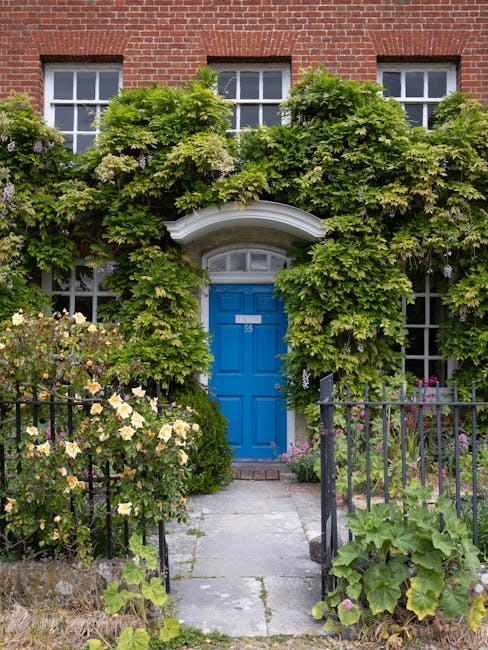
Why Catford Broadway front garden guide by local gardeners Matters
Front gardens in Catford Broadway tend to sit in a very specific sweet spot: visible from the street, often smaller than people would like, and expected to look neat for most of the year. That mix changes the way you plan them. You do not have endless space, and you usually do not have time to baby every plant. So the real aim is not "maximum planting density". It's balance.
A good front garden should help the house, not compete with it. That means choosing a layout that works with the frontage, the pavement edge, and your daily routine. If you're always stepping over pots to reach the door, or spending every weekend pulling weeds from exposed soil, the design is working against you. A local gardener will usually start by looking at how you use the space before talking about flowers, hedges, or paving.
There's also a local character to think about. Broadway properties can vary a lot in style and frontage width, so a one-size-fits-all plan often falls flat. Some homes need a cleaner, more structured look. Others benefit from softer planting, a low hedge, or a narrow border that brings colour without blocking light. That's why a practical local approach matters more than a trend-led one.
If you're curious about broader ways to improve your garden beyond the front boundary, it can help to read about budget low-maintenance ideas and how to restart a neglected garden. Those topics often overlap with front-garden upgrades, especially when time or budget is tight.
How Catford Broadway front garden guide by local gardeners Works
In practice, a front garden plan usually begins with observation. A local gardener will note sun and shade, soil condition, drainage, current plants, visibility from the street, and how the front path is used. Sounds simple, but that first look saves a lot of guesswork later. A plant that loves morning sun may sulk on a north-facing frontage. A beautiful shrub can become a maintenance headache if it outgrows the path within a season or two. Happens all the time.
From there, the work usually falls into a few stages:
- Assess the site: check light, drainage, access, and existing hard surfaces.
- Set the main purpose: privacy, curb appeal, easier upkeep, pollinators, or a mix.
- Choose the structure: borders, hedges, containers, gravel, paving, or lawn replacement.
- Match plants to conditions: shade-tolerant, drought-tolerant, evergreen, or seasonal colour.
- Build for maintenance: make sure the garden can be kept tidy without heroic effort.
The best front gardens do not rely on constant intervention. They are designed to age well. That means using evergreens for shape, ground cover for weed suppression, and a few feature plants rather than lots of fussy ones. If a frontage is especially narrow, vertical planting or containers can be smarter than trying to squeeze in a full border. You can explore this further in creative vertical gardening techniques and what container gardening involves.
To be fair, not every front garden needs a redesign. Sometimes the answer is just better edging, a fresh mulch layer, a trimmed hedge, and a planting refresh that makes the whole space feel intentional again.
Key Benefits and Practical Advantages
A well-thought-out front garden gives you more than kerb appeal. In a busy area, that matters. People notice the entrance first, and a tidy, welcoming frontage can make a home feel cared for before anyone steps inside. But the practical upside is just as important.
- Better first impressions: useful if you're planning to sell, rent, or simply enjoy coming home to something pleasant.
- Lower ongoing effort: smart plant choices reduce weekly chores.
- More privacy: low hedges, screening plants, and layout choices can soften views from the street.
- Improved drainage and soil health: the right ground cover and soil care can help exposed front areas stay healthier.
- More seasonal interest: evergreen structure with bursts of colour makes the space feel alive all year.
- Better use of awkward space: narrow fronts, shaded strips, and small lawns can be turned into something useful.
There's also a quieter benefit: front gardens can make the street feel friendlier. A bit of greenery, a neat edge, maybe a planted container by the step - it softens the hard surfaces that dominate a lot of London frontages. It sounds small, but you'll notice it.
If you want to lean into low-maintenance planting, it's worth reading versatile ground covers for UK gardens and evergreen climbers for tricky shady spots. Both can do a lot of work with relatively little fuss.
Who This Is For and When It Makes Sense
This guide is useful if you fall into any of these groups:
- Homeowners who want a smarter entrance without a big landscaping project.
- Landlords trying to keep a frontage presentable between tenancies.
- Busy families who need a garden that won't become another weekend task.
- Older residents who want easier access, less bending, and fewer maintenance jobs.
- Anyone with a narrow, shaded, or awkward front garden that never quite looks right.
It also makes sense when the front garden is already doing okay, but not quite enough. Maybe the hedge is a bit blunt. Maybe the path feels cramped. Maybe there's too much bare soil and not enough structure. Small problems, yes. But they add up visually.
Some people also reach this point after a run of bad weather. A windy winter can flatten softer planting, scatter mulch, and expose tired borders. If that sounds familiar, take a look at protecting your garden from windstorms and essential winter protection. Front gardens in particular take the brunt of weather exposure.
And if the space has been ignored for a while, no judgement. Many of the best improvements begin with a messy patch, a bit of patience, and a plan that doesn't try to do everything at once.
Step-by-Step Guidance
1. Start with a clear purpose
Ask yourself one simple question: what do you want the front garden to do? If the answer is "look nice", push a little deeper. Do you want privacy? Less maintenance? Better boundaries? Space for pots? A safer path to the door? The purpose shapes every other decision.
2. Clean up and strip back the clutter
Before planting anything, remove dead growth, weeds, broken containers, and anything that hides the real shape of the space. A clean base makes it much easier to judge what's worth keeping. This is often the point where people realise they did not need a full redesign, just a proper reset.
3. Decide on structure before colour
Structure is the backbone of a front garden. Think small hedge, edging, repeated containers, a tidy path line, or a strong evergreen anchor. Flowers are the finishing touch, not the foundation. That's a common mistake, honestly. Pretty plant shopping first, logic second.
4. Improve the soil
Front garden soil is often compacted, dry, or patchy. Add compost, mulch, or other organic matter where appropriate, especially in beds that have been neglected. Good soil makes almost everything easier. If the planting area is small, even a modest improvement can make a visible difference.
For a practical look at feeding the soil well, see harnessing organic waste for soil enrichment.
5. Choose the right plant mix
A useful front-garden mix usually includes:
- Evergreens for year-round shape
- Perennials for reliable seasonal repeat colour
- Ground cover to reduce weeds and bare patches
- One or two feature plants for personality
Try not to overpack the space. A front garden can look much more expensive and calm when the planting is edited down a bit. Space helps the eye rest. It also helps you get to the front door without brushing through leaves every morning.
6. Plan access and maintenance
Make sure bins, prams, deliveries, and everyday foot traffic still work. A gorgeous bed that blocks the path is not elegant, it is annoying. Leave enough room for door swing, gate movement, and easy sweeping. That little bit of planning saves a lot later.
7. Finish with edging and a tidy surface
Edging makes a front garden look cared for instantly. It separates gravel from soil, lawn from border, and path from planting. Add a mulch or clean surface finish to suppress weeds and sharpen the overall look. In front gardens, neatness counts more than people admit.
Expert Tips for Better Results
Local gardeners tend to think in terms of restraint, durability, and rhythm. A few good moves can lift the whole frontage without turning it into a high-maintenance showpiece.
- Repeat plants in groups: three or five of the same plant often looks better than a jumble of singles.
- Use evergreen structure first: it gives the garden shape even in winter.
- Match the frontage to the house: period homes, terraces, and more modern facades usually suit different planting styles.
- Keep one clear focal point: a specimen shrub, a container, or a small tree can anchor the design.
- Choose plants that suit the light: shady front gardens fail fast when sun-lovers are forced into them.
- Allow for wind: exposed fronts need sturdier plants and sensible staking.
One practical trick local gardeners use a lot: stand at the street and look back at the house from a distance. If the front garden reads as cluttered from there, it will probably feel cluttered up close too. That simple viewpoint can save a lot of trial and error.
If privacy is part of your goal, have a look at fast-growing hedge ideas for privacy and the dedicated hedge trimming in Catford service page for upkeep support. A hedge that is never trimmed becomes a very different beast after a while.
And yes, the odd container by the doorway still works brilliantly. You don't need acres of soil to make a front entrance feel warm.
Common Mistakes to Avoid
Most disappointing front gardens fail for the same predictable reasons. The good news? They're usually fixable.
- Planting too much at once. The result looks busy, then crowded, then neglected.
- Choosing the wrong plant for the light. Shade-loving and sun-loving plants are not interchangeable, no matter how hopeful we feel on a Saturday morning.
- Ignoring access. If people have to squeeze sideways past shrubs, the layout needs rethinking.
- Skipping soil improvement. Poor soil shows up in weak growth, weeds, and patchy borders.
- Using only seasonal colour. A front garden needs winter structure, not just a summer burst.
- Letting hedges and climbers run wild. They can quickly swallow light, windows, or paths.
A surprisingly common issue is trying to solve every problem with flowers. Flowers are lovely, of course, but they don't create structure on their own. Without shape underneath, the whole thing can look a bit like it was assembled in a rush. Which, to be fair, many gardens are.
For weed pressure, a little prevention goes a long way. A layer of mulch, dense planting, and regular checks are usually better than waiting for a full infestation. If you want more on that, read effective weed control tips.
Tools, Resources and Recommendations
You do not need a van full of kit to manage a front garden well. A few reliable tools, used consistently, usually beat a large pile of equipment gathering rust in the shed.
| Tool or resource | Why it helps | Best for |
|---|---|---|
| Hand forks and trowels | Useful for planting, weeding, and soil refresh work in tight spaces | Small beds, containers, edging areas |
| Secateurs | Keep shrubs, herbs, and small branches tidy | Routine maintenance |
| Border spade | Helps with digging, edging, and soil improvement | Reworking existing beds |
| Mulch or compost | Improves soil and reduces weeds | Most front gardens |
| Containers | Add flexible planting where ground space is limited | Steps, porches, narrow fronts |
| Garden hose or watering can | Keeps new planting established during dry spells | Summer care |
If you are starting from scratch, a bit of planning advice can be very helpful. The article start your gardening journey with these 9 tips is a sensible companion piece, especially if you want to avoid buying random plants on impulse. We've all done it. The plant looked cheerful. That was enough.
You may also find vital garden tools for outdoor enthusiasts useful if you want a more complete toolkit without overbuying.
Law, Compliance, Standards, or Best Practice
Front garden work is usually straightforward, but there are a few practical boundaries worth respecting. If your frontage borders a public pavement, keep access clear and avoid anything that creates a trip hazard. Overhanging branches, unstable edging, loose gravel, and badly placed containers can all cause problems if left unmanaged.
If you plan to remove trees, large shrubs, or significant boundary planting, it is wise to check whether any restrictions apply before work begins. Local factors can vary, and it is always better to be cautious than to assume. The same goes for shared boundaries and fences: a quick conversation with neighbours can prevent unnecessary friction later on.
For safety and peace of mind, use insured, professional help for heavier work, especially where tools, height, or waste removal are involved. You can also review the site's own policy pages, including insurance and safety, health and safety, and terms and conditions. Those pages help set expectations before any job begins.
For accessibility matters, a front garden should ideally support easy movement rather than make it harder. That may mean better step access, wider routes, less clutter, and smoother transitions between pavement, gate, and doorway.
Options, Methods, or Comparison Table
There is no single best front-garden method. The right choice depends on how much time you have, what the space looks like, and what you want the frontage to do. Here is a simple comparison to help you think it through.
| Approach | Best for | Pros | Trade-offs |
|---|---|---|---|
| Traditional borders | Homes with usable soil and room for planting | Natural look, seasonal variety, good biodiversity | Needs weeding and occasional reshaping |
| Containers and pots | Tight spaces, steps, paved fronts | Flexible, easy to change, tidy visually | Needs regular watering and feeding |
| Evergreen-led design | People wanting structure all year | Stable shape, lower visual mess in winter | Can look flat if not softened with accents |
| Low-maintenance ground cover | Weedy or awkward front areas | Suppresses weeds, improves consistency | May take time to establish |
| Mixed front landscape | Most homes | Balanced, adaptable, better year-round interest | Needs a bit more planning |
For many Catford Broadway homes, a mixed front landscape is the sweet spot. It lets you keep a practical entrance while still bringing in greenery, privacy, and a bit of personality. If the frontage is more functional than decorative right now, a wider landscaping Catford approach may be the better long-term route.
Case Study or Real-World Example
Here's a realistic example from the sort of job local gardeners see often. A narrow front garden near Catford Broadway had patchy lawn, a tired hedge, and a couple of mismatched pots near the gate. It looked busy in a slightly chaotic way. Not awful, just unfinished.
The fix was not dramatic. First, the hedge was cut back to a cleaner shape so it stopped crowding the path. Then the weak lawn section was removed and replaced with a tougher, lower-maintenance surface area and a planting strip. Ground cover was used to reduce bare soil, and a couple of evergreen shrubs gave the frontage shape through winter. Two simple containers were placed near the door for seasonal colour. That was it.
The result was not "feature garden" territory. It was better than that in a way. It looked intentional. It felt easier to manage. And the owner no longer had to deal with a front garden that seemed to need attention every single week. A bit of structure, a bit of restraint, and suddenly the space made sense.
This is where a service like garden maintenance in Catford can be especially useful. Once the layout is sorted, keeping it tidy becomes far simpler.
Practical Checklist
Use this checklist before you start work on your front garden.
- Have I decided what the front garden needs to do most?
- Have I checked sun, shade, and wind exposure?
- Is access to the front door clear and comfortable?
- Do I have a structure plan before choosing flowers?
- Have I improved the soil where planting is planned?
- Are the plants suitable for the light and conditions?
- Have I included some evergreen shape for winter?
- Do I know how much maintenance this design will need?
- Have I allowed for watering during dry spells?
- Do I need help with hedge trimming, pruning, or heavier work?
If you can tick most of those off, you're already in a strong position. The rest is detail. Useful detail, yes, but detail nonetheless.
Get a free quote today and see how much you can save.
Conclusion
A good front garden in Catford Broadway does not need to be elaborate. It needs to be thoughtful. The best results usually come from clear structure, sensible plant choices, and a maintenance level that fits real life. When local gardeners approach a frontage well, they are not just making it prettier. They are making it easier to live with.
That's the heart of this guide: keep it practical, keep it tidy, and give the garden enough character to feel like part of the home. Start with the basics, make one useful improvement at a time, and let the space settle into something that suits you. Truth be told, that calm, well-kept look is often the thing people notice most.
And once the front garden starts working with you instead of against you, it's a very satisfying feeling. A small one, maybe. But a real one.

With a talent for organization and a keen eye for detail, Tina, a professional gardener, has established herself as an expert in landscaping. Through her writing, she has aided many in cultivating stunning gardens.