Gardeners access issues on narrow Catford streets solutions
Posted on 12/11/2026
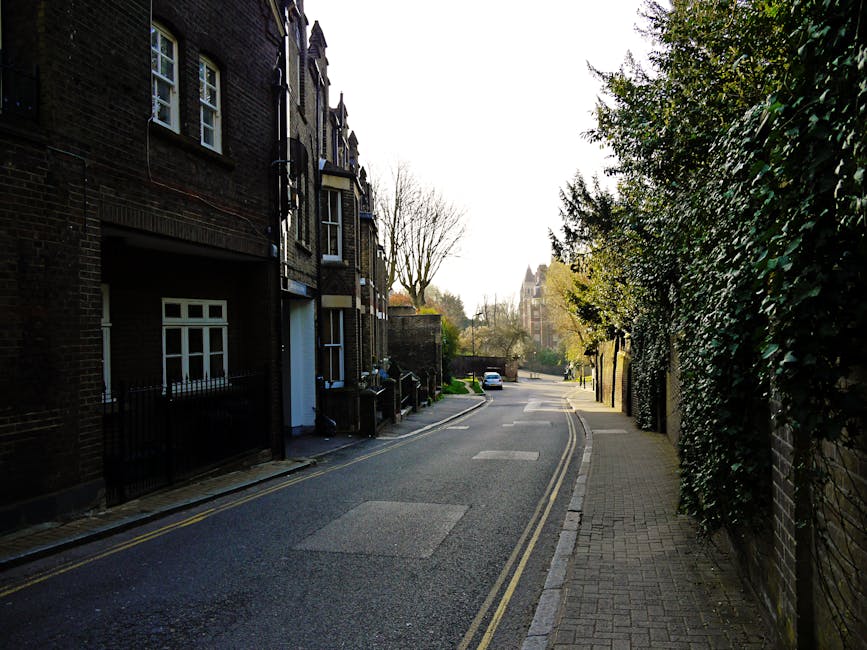
Narrow frontages, tight side passages, parked cars, awkward gates, and those classic Catford terrace layouts can turn a straightforward gardening job into a small logistics puzzle. If you have ever looked at your path, glanced at a wheelbarrow, and thought, "How on earth is that going to fit?", you are not alone. Gardeners access issues on narrow Catford streets solutions are really about one thing: getting the work done safely, neatly, and without turning your garden or street into a bottleneck.
This guide explains what causes access problems, how professional gardeners work around them, and which solutions are genuinely useful in real homes. You will also find practical steps, a comparison of methods, a checklist, and a few common mistakes to avoid. In our experience, the best results come from planning access before the first tool comes through the gate. Saves time, saves hassle, and usually saves a bit of money too.
Why Gardeners access issues on narrow Catford streets solutions Matters
Access is not just a convenience issue. It affects safety, finish quality, timing, noise, and even what kind of work can be done at all. On narrow streets, a gardener may have to move plants, soil, tools, waste bags, pressure washers, ladders, or even heavier kit through a very limited route. If that route is tight, shared, or awkwardly placed, the job becomes slower and more expensive unless it is planned well.
Catford has plenty of homes where the outdoor space is tucked behind the house, split by narrow side returns, or reached through a small gate that barely swings open without a squeak. That is normal urban gardening, not a problem in itself. The issue starts when a job is priced as though access is easy, but the reality is more like threading a needle in a hurry.
Good access planning matters because it helps gardeners decide whether to bring compact equipment, use bag-and-carry methods, schedule more time, or split the work into stages. It also helps customers understand what can be done in one visit and what needs a more thoughtful approach. A well-run job feels calm. A poorly planned one feels like people carrying too much down a hallway, which, let's face it, nobody enjoys.
For landscaping-heavy work, access can shape the whole design. If a team knows the route is tight, they may suggest smaller materials, modular installation, or solutions that do not rely on large deliveries through the front. That is where a little knowledge goes a long way. If you are also thinking about redesigning difficult spaces, some ideas in creative vertical gardening techniques and container gardening can be surprisingly practical.
How Gardeners access issues on narrow Catford streets solutions Works
The basic principle is simple: reduce what needs to pass through the restricted space, and make everything else smaller, lighter, or more modular. That sounds obvious, but it is the difference between a smooth visit and a frustrating one.
Professional gardeners usually work through access issues in four layers:
- Assessment before arrival. They ask about gate width, path width, steps, turning space, parking, and whether there is rear access.
- Kit selection. They choose smaller tools, foldable gear, compact mowers, battery tools, or hand tools where needed.
- Work sequencing. They decide what should be done first, so waste and materials are moved efficiently rather than constantly back and forth.
- Waste and delivery planning. They think about where clippings, soil, paving packs, mulch, or timber will go and how they will be removed or stored.
That process sounds very tidy on paper. In the real world it often begins with one awkward gate latch and a sigh. Still, with a bit of planning, it works.
Access solutions also include communication. A gardener may need to know if a neighbour's car blocks the passage on certain mornings, whether a side alley is shared, or if a dog tends to get excited when strangers arrive. Small details like that change the whole day. If your project involves a lot of upkeep rather than one-off work, you may also find garden maintenance in Catford a better fit than trying to force everything into a single intensive visit.
For seasonal jobs, access planning matters even more. Autumn leaf clearance, winter pruning, and spring tidy-ups all create different waste volumes. A good team will adjust the approach rather than using one fixed method for every garden. That flexibility is part of the real solution.
Key Benefits and Practical Advantages
When access is handled properly, the advantages show up quickly. Some are obvious, some less so.
- Less disruption for residents and neighbours. Fewer trips in and out means less noise and less foot traffic.
- Better timekeeping. The work can be scheduled more accurately when the route in and out is known.
- Lower risk of damage. Narrow paths, rendered walls, fences, and paving are easier to protect when kit is chosen with care.
- Cleaner finishes. Less scrambling with oversized tools usually means less mess and fewer accidents.
- More realistic pricing. Proper access information helps avoid surprises later.
- Wider range of possible work. A team can often do more than expected once they know the access route and adapt the method.
There is also a design benefit. Gardens with access challenges often benefit from lower-maintenance planting, modular features, and layouts that do not depend on frequent heavy movement. That is where articles like budget low-maintenance ideas and versatile ground covers become genuinely useful, not just decorative reading.
Expert summary: The best access solution is rarely the biggest one. It is usually the one that makes the job simpler, safer, and repeatable for the next visit too.
Who This Is For and When It Makes Sense
This topic matters to a wide range of people, not just homeowners with tiny side returns.
- Terraced-house owners with narrow front gates or shared rear access.
- Landlords and letting agents needing reliable maintenance without upsetting neighbours or tenants.
- Older homeowners who want garden work done without heavy equipment being dragged through living areas.
- Families trying to keep the garden tidy while avoiding clutter and delays.
- Busy professionals who want one clean, efficient visit rather than several awkward ones.
- People planning a redesign and wanting to make the garden easier to maintain long term.
It makes sense any time the route to the garden is not straightforward. That includes a tight passage, a steep step down to the garden, a locked side gate, or even a front garden where tools can only be brought through the house in a controlled way. Truth be told, that last one is often more common than people admit.
If access is tight but the garden is functional, the right service can still help with pruning, mowing, clearing, hedge work, or restoration. If you are unsure whether a particular task is realistic, start with a broader option such as gardening services in Catford or a more specific one like lawn mowing and ask how access affects the job plan.
Step-by-Step Guidance
Here is a sensible way to tackle access issues before anyone arrives with tools and expectations.
1. Measure the access route properly
Check the width of gates, passages, paths, and any tight turns. Do not guess. A tape measure is better than a memory from six months ago. Also note low branches, uneven slabs, steps, and anything that narrows the route on the day.
2. Identify where equipment can be staged
Even in a small space, there is usually somewhere to temporarily place bags, tools, or plant material. A corner of the patio, a side return, or a clear patch near the shed can make the whole job smoother.
3. Think about what actually needs to enter the site
Not every job needs every tool. A compact battery mower may be enough for one garden, while another may be better served by hand tools and a smaller team. If the job involves pruning or shape work, a service such as hedge trimming in Catford can often be tailored to suit the access route.
4. Sort waste handling in advance
Garden waste becomes awkward fast when access is narrow. Ask how it will be collected, bagged, stacked, and removed. If there is no easy skip access, a bag-and-remove approach may be simpler.
5. Protect surfaces and boundaries
Cover delicate paving, move ornaments, and clear fragile pots out of the route. A narrow passage is not the place for a loose tile or a leaning trellis. Small precautions here prevent those annoying little accidents that can spoil an otherwise good job.
6. Confirm parking and arrival details
Where can the team park? Is there resident-only parking? Can they unload quickly without blocking a road? If the street is especially tight, that information can decide whether the job starts on time or starts with a hunt for a legal space.
7. Build the work in stages if needed
For some gardens, one visit is not the best answer. A staged plan can be more efficient: first a clearance visit, then planting or hard landscaping, then a finishing visit. That approach is particularly useful for neglected gardens and awkward plots. If that is your situation, revamping a neglected garden is a good place to think about the first step.
Expert Tips for Better Results
These are the practical details that tend to make a bigger difference than people expect.
- Use smaller, more frequent loads. One heavy trip is not always better than three lighter ones.
- Choose foldable or modular kit. It is easier to move and less likely to catch on walls or rails.
- Keep a clear route from the start. A tidy path saves more time than most people realise.
- Plan for wet weather. Narrow paths become slippery. A job that is manageable in dry weather can feel twice as fiddly after rain.
- Use the garden design to help future access. Smaller planting beds, easier edging, and low-maintenance layouts reduce the need for bulky repeat visits.
- Think vertically where space is tight. Walls, fences, and trellis areas can deliver visual impact without crowding the access route. See also evergreen climbers for shade and vertical gardening techniques.
A small but useful tip: if you know access is poor, tell the gardener what the tightest point looks like, not just that it is "a bit narrow". That saves guesswork. And guesswork, in a cramped passage, is where the headaches begin.
For gardens that also need privacy or screening, consider living boundaries that are manageable in tight spaces. fast-growing hedges for privacy can be useful, as long as they are chosen with future maintenance access in mind.
Common Mistakes to Avoid
A lot of access problems are not dramatic. They are simply poorly communicated. That said, a few mistakes keep cropping up.
- Assuming the job can be done "as normal". Narrow access changes everything from routing to time estimates.
- Forgetting about waste. A cleared garden still needs somewhere for clippings and debris to go.
- Leaving the route cluttered. Bikes, bins, toys, and plant pots all matter more than they seem.
- Choosing oversized tools for a compact space. Bigger is not always better. It just tends to scrape more things.
- Ignoring neighbour and parking realities. In close streets, a considerate setup avoids a lot of friction.
- Not planning for future maintenance. A beautiful finish that is impossible to maintain is a short-term win and a long-term chore.
One more common slip: people sometimes buy materials or expect work to be done before checking whether those materials can physically make it into the garden. It sounds obvious, but it happens. Quite a lot.
Tools, Resources and Recommendations
For narrow-access garden work, the right tools are usually compact, light, and easy to pass through small spaces. Think in terms of control, not brute force.
- Foldable hand carts or trugs for moving cuttings and small materials.
- Battery-powered tools where practical, because they are easier to handle than bulkier setups.
- Hand pruners, loppers, and lightweight saws for precise work in confined areas.
- Small rakes, scoops, and sweepers for tidying tight corners and paths.
- Reusable bags or tubs for waste and soil movement.
- Temporary protective sheets to guard paving, decking, or indoor floors if access goes through the home.
For garden improvements that can reduce future access headaches, a few adjacent topics are worth exploring. If you want less rework and fewer bulky maintenance visits, weed control and organic waste for soil enrichment are genuinely useful because they support easier upkeep. If seasonal weather is also a concern, protecting gardens from extreme weather and windstorm protection may help you avoid emergency work later.
Law, Compliance, Standards, or Best Practice
For everyday garden work, there is usually no single legal rule about narrow access itself. What matters is doing the work safely, responsibly, and with consideration for others. In the UK, good practice usually means thinking about safe manual handling, slip and trip hazards, equipment safety, and whether the work could affect neighbours, shared access, or public pavements.
If a job involves ladders, tree work, heavy lifting, or cutting equipment, the safer choice is to plan the task around the access rather than forcing the access around the task. That is not overcautious; it is sensible. If the route is too tight for safe movement, the work may need splitting into smaller stages or rethinking altogether.
Insurance and clear terms matter too. If a gardener is working through your home or shared areas, it is reasonable to ask how they handle liability, accidental damage, and security. Transparent businesses tend to be more comfortable talking about this, which is usually a good sign. You can also review insurance and safety and the site's health and safety policy if you want to understand the general approach before booking.
For accessibility-minded planning, it is also sensible to check the site's accessibility statement. Even when a garden is not a public venue, the same mindset helps: remove barriers where possible, reduce risk where needed, and make the route as workable as it can be.
Options, Methods, or Comparison Table
Different access issues call for different methods. The table below gives a simple way to compare them.
| Method | Best for | Strengths | Limitations |
|---|---|---|---|
| Compact hand-tool approach | Tight side passages, small tidy-ups, delicate areas | Highly controllable, low damage risk, easy to move | Slower for large jobs |
| Battery-powered compact equipment | Small lawns, pruning, routine maintenance | More efficient than hand tools, still manageable | May still be too large for very restricted routes |
| Staged multi-visit plan | Neglected gardens or heavy clearances | Reduces pressure on access and handling | Needs better scheduling and patience |
| Modular material delivery | Landscaping or planting work with bags, slabs, compost, or timber | Easier to transport in smaller portions | May cost more time if the site is very constrained |
| Design-led access reduction | Long-term upgrades to hard-to-reach gardens | Improves maintenance over time | Requires upfront planning and sometimes more initial work |
In practice, the best answer is often a blend of these. A tiny garden with a narrow gate may need compact tools for routine care, staged work for big jobs, and a design tweak to reduce future bottlenecks. Simple, really. Not always easy, but simple in principle.
Case Study or Real-World Example
Picture a typical Catford terrace with a narrow gate at the back, a small paved passage down the side, and a lawn that has become a bit patchy after months of weather and neglect. The owner wants a tidy garden, a clearer lawn edge, and a better layout for summer use. Nothing extravagant. Just something pleasant to look at on a bright evening with tea in hand.
The access challenge is straightforward: the passage is too tight for large equipment, and the turning space near the gate is limited. Instead of trying to force a full-size set-up through the route, the work is split into stages. First, the area is cleared by hand and waste is bagged in smaller loads. Then compact tools are used for lawn work and edging. Finally, the design is simplified with better-defined borders and a few low-maintenance planting choices so future visits are easier.
The result is not just a better-looking garden. It is a garden that is easier to reach, easier to maintain, and less likely to cause friction with the neighbours or with the person doing the work. If the owner later wants a more private feel, a service such as fencing can be considered with access in mind, rather than as an afterthought. That is the real lesson here: access is not just a problem to solve once; it is part of the design.
Practical Checklist
Use this before booking or starting work.
- Measure gate, path, and passage widths.
- Note steps, slopes, low branches, and tight turns.
- Check parking and unloading options.
- Clear bikes, bins, toys, and clutter from the route.
- Tell the gardener about any shared access or neighbour constraints.
- Ask what equipment will be used and whether it will fit safely.
- Plan how waste will be removed or stored.
- Protect delicate paving, decking, and indoor floors if needed.
- Decide whether the job should be split into stages.
- Ask whether the layout could be improved to make future maintenance easier.
Quick takeaway: if access is tight, the smartest solution is usually better planning, smaller tools, and a design that respects the space rather than fights it.
Conclusion
Narrow Catford streets do not have to mean compromised garden work. With the right planning, the right equipment, and a realistic approach to movement, waste, parking, and safety, even awkward access can be managed well. The trick is to treat access as part of the job brief, not a side note.
Whether you need regular maintenance, a one-off clearance, or a more considered redesign, the best outcomes usually come from honest communication at the start. Small spaces can still do a lot. Sometimes more than people expect. And honestly, a well-run garden job in a tight street feels especially satisfying when it is finished without drama, scraping, or last-minute improvisation.
If your garden feels hard to reach, that does not mean it is hard to improve. It just means the plan needs to be a little smarter.
Get a free quote today and see how much you can save.

With a talent for organization and a keen eye for detail, Tina, a professional gardener, has established herself as an expert in landscaping. Through her writing, she has aided many in cultivating stunning gardens.