Mountsfield Park community garden guide for Catford gardeners
Posted on 19/10/2026
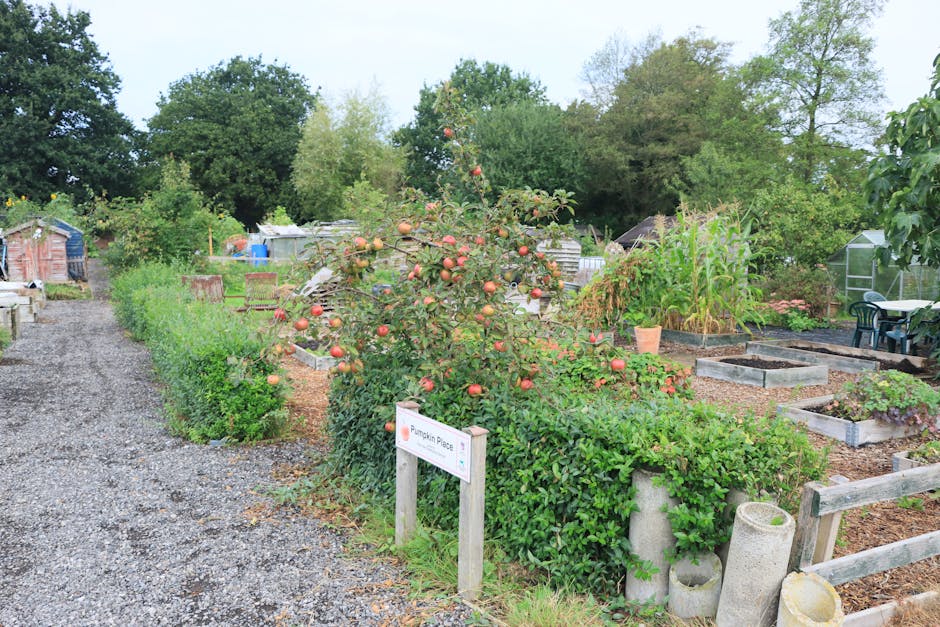
Mountsfield Park Community Garden Guide for Catford Gardeners
If you garden in Catford, Mountsfield Park is one of those places that can quietly change how you think about growing. It is more than a patch of shared green space; it is a practical, living classroom for people who want to grow food, support wildlife, and meet neighbours who actually care about the same things you do. This Mountsfield Park community garden guide for Catford gardeners is designed to help you understand how community gardening works, what to expect, and how to make your time there genuinely rewarding rather than a bit chaotic. Because let's face it, shared gardens are brilliant, but they do run better when everyone knows the rhythm.
Whether you are new to gardening or already keeping a tidy veg bed at home, community growing can be deeply satisfying. You get shared knowledge, seasonal momentum, and that lovely feeling of turning up on a damp Saturday morning and finding the beds still alive with promise. Below, you will find practical guidance, common pitfalls, and a grounded approach to getting involved without overcomplicating it.
Why Mountsfield Park community garden guide for Catford gardeners Matters
Mountsfield Park sits in a part of London where space is often limited, terraces can be shaded, and back gardens may be compact, overlooked, or simply not there. That makes community growing especially valuable. A shared garden gives local gardeners room to grow beyond the constraints of a single plot, and it creates a small ecosystem of people, plants, and practical know-how.
For Catford gardeners, the real value is not just the produce. It is the continuity. You learn what survives local conditions, what bolts too quickly, which crops need shelter, and which ones happily trundle along through a cool spring. You also get to see what works in a communal setting: robust planting, tidy pathways, sensible watering routines, and a bit of flexibility when the weather behaves like, well, London weather.
There is also a social value that is hard to fake. Shared growing spaces often become low-pressure meeting points. People swap seeds, share advice, and notice things earlier than they would alone. A bed with a patch of calendula and a row of beans can become a neighbourly conversation starter. Sounds small, but it matters.
And from a wider gardening perspective, community plots are useful for experimentation. If you want to trial a new crop, test a low-cost raised bed idea, or try a vertical frame from creative vertical gardening techniques, the shared environment lets you learn quickly without betting everything on one corner of your own garden.
How Mountsfield Park community garden guide for Catford gardeners Works
Most community garden spaces work on a simple principle: people contribute time, care, and respect, and in return they share access to a productive green space. In practice, that usually means a mix of individual responsibility and collective decisions. You might tend a designated bed, join a workday, help with composting, or simply show up regularly and keep your section healthy and tidy.
In a place like Mountsfield Park, the best results come from consistency rather than intensity. One person digging furiously for an afternoon is not nearly as useful as several people doing a little each week. That is true of most shared gardens, to be fair. There is usually some kind of informal or agreed structure around watering, sowing, harvesting, and clearing up. Even if the rules are light-touch, the garden works best when people know where tools are kept, what needs checking, and how to leave things for the next person.
It also helps to understand that a community garden is not a private sanctuary. You may need to adapt to weather exposure, wildlife pressure, foot traffic, and the occasional misplaced enthusiasm from a newcomer who thinks every weed is fair game. A little humour helps. So does a clear system.
If you are building your confidence before getting involved, it is worth reading practical tips for starting a gardening journey and first steps for reviving a neglected garden. Those ideas translate well to community plots, especially when you inherit a bed that needs a bit of sorting before it starts behaving.
Key Benefits and Practical Advantages
The benefits of a community garden go well beyond fresh herbs and a few tomatoes. When the space is managed properly, it becomes a flexible, resilient little system that offers both practical and emotional value.
- Better use of space: communal beds can be shaped for productivity, shade, or wildlife rather than squeezed into one household layout.
- Shared learning: you pick up local growing habits faster, which saves time and a fair bit of trial-and-error frustration.
- Lower individual pressure: if one person is away or busy, the whole garden does not collapse.
- Community connection: people talk more easily when they are carrying mulch, watering seedlings, or arguing gently about the best pea variety.
- Environmental value: composting, pollinator planting, and soil care can all be improved when several people are involved.
There is also a subtle but important advantage: community gardens encourage better gardening habits. You are more likely to keep pathways clear, mulch properly, and think through plant choices when you know others will walk past your work. That kind of gentle accountability is useful. It stops things from getting sloppy.
If your own garden is small or awkward, the benefits become even clearer. You can test ideas there before trying them at home. For example, if you are unsure whether container-grown salad leaves will work in a more exposed spot, a shared plot is a sensible place to experiment. Pair that with insights from what container gardening involves and you will avoid a lot of beginner mistakes.
And if you want the site to be useful in more than one season, think beyond annual harvests. Add a few structural elements, perhaps a small hedge edge or a sheltered border, using ideas from fast-growing hedge ideas for privacy and evergreen climbers for shady corners. Structure makes communal plots feel coherent, not patchy.
Who This Is For and When It Makes Sense
This guide is for Catford gardeners who want a practical, local way into shared growing. That includes total beginners, experienced growers with limited space, families looking for a gentle outdoor routine, and people who simply want to garden with more purpose.
It makes sense if you:
- want to grow more than your own garden can comfortably hold
- like the idea of learning from other gardeners
- need a social reason to get outdoors more regularly
- care about wildlife, soil health, or food growing
- enjoy a project that changes with the seasons
It may also suit you if your home garden needs time to recover. Sometimes people use a community garden as their main growing outlet while their own space is being redesigned, cleared, or repaired. In that case, the pace can be calmer and more forgiving than a rushed home project.
If you are someone who likes tidy lines, you can still be a community gardener. If you are more relaxed and experimental, that works too. The important bit is showing up and being helpful. A garden can forgive many things, but not neglect forever. Not forever.
For people balancing a busy household, a dog, children, or both, it can help to think in terms of manageable sessions. A 45-minute visit with a clear task often beats an ambitious half-day that leaves you tired and inconsistent. If that sounds familiar, the advice in budget low-maintenance garden ideas is surprisingly relevant here.
Step-by-Step Guidance
If you want to get involved without feeling out of your depth, take it in stages. Community gardening works best when the first few steps are simple and realistic.
- Observe the space first. Notice where the sun falls, where water collects, which areas dry out fastest, and which corners stay shaded. A quick walk through the plot in the morning and later in the day can tell you a lot.
- Ask how the space is organised. Find out whether beds are shared, assigned, or rotational. Ask where tools are kept, who handles watering, and how harvests are divided. That one conversation can save a dozen awkward moments later.
- Start with one small, useful task. Weed a section, mulch a bed, label seedlings, or check on the compost. It is better to do one thing well than five things half-finished.
- Choose crops and plants that suit the setting. In communal plots, reliable plants often outperform fussy ones. Herbs, salad leaves, beetroot, beans, hardy flowers, and pollinator-friendly edging plants are all good starting points.
- Build soil before chasing yield. Healthy soil is the quiet engine under everything. Add organic matter, avoid compacting wet ground, and use compost thoughtfully. If you want a deeper refresher, harnessing organic waste for soil enrichment is a useful companion read.
- Keep the garden visually understandable. Clear labels, neat paths, and obvious bed edges help everyone contribute without confusion.
- Review at the end of each visit. Ask yourself: what now needs water, shelter, staking, thinning, or harvesting? This habit makes the next visit easier.
A small example: if you arrive in early spring and see damp soil, a few old pea sticks, and one bed that has clearly been neglected, do not try to remake the whole thing. Clear the debris, loosen the top layer carefully, mulch lightly, and plant something resilient. That is enough to move things forward.
If your plot includes a seating spot, even a simple bench or two chairs, it can be worth thinking about comfort and viewing angles. That may sound a bit luxurious, but a good seat changes how often people stay and notice what needs doing. See garden seating ideas that make outdoor spaces more usable for a few practical thoughts.
Expert Tips for Better Results
These are the little things that separate an okay communal garden from one that feels calm, productive, and easy to maintain.
- Work with the weather, not against it. In exposed or windy corners, use supports, staggered planting, and wind-tolerant varieties. If you want to go further, protecting your garden from windstorms is worth a look.
- Plant for succession. Do not sow everything at once. Stagger sowing and harvest times so the garden stays productive rather than bursting for two weeks and then empty.
- Use edges properly. Path edges, borders, and low ground covers help a shared space feel complete. They also reduce muddiness and accidental trampling. For inspiration, see versatile ground covers for UK gardens.
- Make watering easier. Group thirsty plants together and avoid placing fragile seedlings in the hottest, driest spots.
- Keep a simple record. A notebook, clipboard, or shared note on a phone can track sowing dates, pest issues, and what was harvested. Nothing fancy. Just enough to stop memory from doing all the work.
- Protect young plants early. Cloches, fleece, or temporary covers can save a lot of disappointment when a cold snap rolls in.
One more thing: if the plot includes a lot of vertical surfaces or fences, use them. Climbers, canes, and wall-trained crops can multiply your growing space without making the site feel crowded. That is especially useful where every square metre matters.
And if you enjoy a slower, more reflective design style, you can borrow a touch of calm from zen-inspired garden design ideas. Even a productive space benefits from a bit of breathing room.
Common Mistakes to Avoid
A shared garden usually goes wrong in predictable ways. The good news is that most of them are easy to avoid once you know what to watch for.
- Overplanting too early: enthusiasm is lovely, but too many plants at once creates confusion and extra maintenance.
- Ignoring soil condition: poor soil gives poor results, even if the planting looks hopeful at first.
- Leaving no clear edge or structure: if beds and paths blend into one another, the site becomes harder to manage.
- Choosing delicate plants for exposed spots: some plants simply need better shelter than a communal plot can reliably offer.
- Forgetting winter preparation: a few hours of protection in autumn can prevent a lot of spring disappointment.
- Assuming someone else will sort it out: this is the classic trap. Shared spaces thrive when everyone takes ownership of the basics.
Weed pressure deserves a special mention. It can creep up fast, especially after rain. If you are unsure about a practical routine, these weed control tips can help you set a manageable pattern instead of resorting to a once-a-month panic session.
Another easy mistake is forgetting how quickly a neglected bed can look worse than it is. A few weeds, a broken label, and a thirsty row can make the whole area feel disappointing. It is usually not dramatic, just unattended. The fix is rarely heroic. More often, it is a broom, a bucket, and ten focused minutes.
Tools, Resources and Recommendations
You do not need a van full of equipment to contribute well. In a community garden, the most useful tools are often the practical, boring ones. They are the sort of thing you are glad to have when the rain has stopped and you only have half an hour to get things done.
| Tool or resource | Best use | Why it matters |
|---|---|---|
| Hand trowel | Planting, potting on, small weeding jobs | Essential for detailed work in beds and containers |
| Watering can or hose access | Young plants, dry spells, establishing crops | Reliable watering is often the difference between success and setback |
| Gloves | Weeding, clearing, lifting compost | Protects your hands and makes longer sessions much easier |
| Labels and marker | Seed trays, beds, rotations | Stops confusion and accidental crop loss |
| Secateurs | Deadheading, light pruning, harvesting | Keeps plants tidy and reduces damage from rough tearing |
| Compost or organic matter | Soil improvement, mulching, feeding beds | Supports long-term plant health and soil structure |
For Catford gardeners who are building a wider toolkit at home as well, this guide to essential garden tools is a sensible companion. It helps you avoid buying shiny extras you will barely use.
Other useful reads, depending on what you are trying to grow, include spring vegetable growing tips and advice for a flourishing herb garden. Those are especially handy if your community plot is moving toward edible planting rather than ornamental beds alone.
If budgets are tight, keep the setup simple. Reused timber, labelled cans, and shared storage often matter more than expensive equipment. A garden that works is better than a garden that looks perfect for two weeks and then becomes a maintenance headache.
Law, Compliance, Standards, or Best Practice
Community gardens are usually run by common sense, courtesy, and a few practical standards rather than anything overly formal. Still, there are some sensible expectations worth keeping in mind.
First, follow the site's own agreements. That may cover tool use, harvesting, shared work sessions, composting, waste handling, and child or pet supervision. If the space has an organiser or group lead, treat their instructions as the baseline. It sounds obvious, but you would be surprised how often shared spaces get muddled because people assume "someone else knows."
Second, think about safety. Paths should be clear, tools should be stored properly, and any sharp, heavy, or unstable items need attention. Basic garden safety is not glamorous, but it is what keeps the plot usable for everyone. For a practical reference point, it can help to review site health and safety guidance and the general expectations set out in insurance and safety information.
Third, respect privacy and nearby homes. Even in a public green space, quiet hours, tidy boundaries, and thoughtful planting matter. Hedges, climbers, and screens should be used carefully so they support the garden without making the area feel closed off or neglected. If boundaries need better structure, fast hedge ideas can help shape a pleasant edge.
Finally, keep accessibility in mind. Paths that are too narrow, uneven surfaces, or overgrown corners can put people off using the space. That is not just a design issue; it is a participation issue. A good community garden is welcoming at ground level, not only from a distance.
Options, Methods, or Comparison Table
If you are deciding how to contribute to Mountsfield Park or a similar shared growing space, it helps to compare the main approaches. Different people suit different roles, and honestly, that is part of what makes community gardening work.
| Method | Best for | Strengths | Watch-outs |
|---|---|---|---|
| Shared beds | New gardeners and social growers | Simple, collaborative, easy to join | Needs good communication and regular care |
| Assigned plots | People who want more control | Clear responsibility, easier planning | Can feel isolating if participation drops |
| Rotational workdays | Busy locals and mixed-skill groups | Flexible, less pressure on individuals | Needs a reliable schedule or it slips |
| Container and raised-bed growing | Limited soil areas or beginner-friendly setups | Accessible, tidy, easy to adapt | Can dry out fast if not watered regularly |
In many real gardens, the best answer is a blend. A few raised beds for easy crops, some shared borders for pollinators, and a rotating work routine for the messier jobs. That mix is often more resilient than any single method on its own.
If you need something even more practical, think in terms of garden zones: food production here, compost and tools there, seating or quiet corner over there. A bit of structure turns a busy plot into a place people actually want to maintain. If you are planning a larger refresh, starting a neglected garden the right way is a useful mental model.
Case Study or Real-World Example
Here is a realistic example. A small group of Catford gardeners starts with one neglected community bed at the edge of a shared space. The soil is compacted, the labels are missing, and the border is mostly weeds. Nothing dramatic, just a bit tired.
Instead of trying to redesign the whole space in one weekend, they begin with three things: clear the bed, add compost, and plant a mix of quick wins and longer-term structure. They put in salad leaves, spring onions, calendula, and a few hardy herbs. Around the outside, they add low-maintenance ground cover to keep the edges neat and reduce bare soil. A small vertical frame goes in at the back for beans later in the season.
By midsummer, the bed looks ordered, produces something useful, and no longer feels like a forgotten corner. The people who pass through notice it. Someone starts bringing a spare watering can. Another person takes responsibility for labels. A child points out the flowers. That is the kind of shift that happens when a community garden gets a realistic start rather than a perfect one.
If the same group had tried to grow delicate, high-maintenance crops straight away, they might have lost momentum. Instead, they built confidence first. That is the quiet trick. Start with plants and tasks that reward effort quickly, then expand once the group has a rhythm.
For a more seasonal angle, the timing of the bed could be supported by winter protection advice and guidance on preparing for extreme weather, especially if the plot is exposed or sits in an open part of the park.
Practical Checklist
Use this quick checklist before and after each visit. It keeps things tidy and stops the work from drifting.
- Check the weather and dress for damp ground or sudden wind
- Bring gloves, water, and a small hand tool if needed
- Look for new weeds, damaged stems, or dry patches
- Water only where it is actually needed
- Harvest only what is ready and what you have agreed to take
- Return tools to the correct place
- Leave pathways clear and safe to walk on
- Note anything that needs follow-up next time
- Report broken fixtures, hazards, or access problems
- Take a quick look at the compost area and tidy if necessary
Expert summary: a good community garden is not built on grand gestures. It is built on small, repeatable habits that keep soil healthy, people informed, and the space pleasant to use. If everyone does a bit, the whole thing stays alive. Simple, really. Not always easy, but simple.
Get a free quote today and see how much you can save.
Conclusion
For Catford gardeners, Mountsfield Park is best understood as a shared opportunity: to grow more, learn more, and take part in something larger than a single back garden. A community plot rewards patience, good manners, and sensible structure. It also rewards people who are willing to learn on the job, which is usually where the real progress happens.
If you keep the planting practical, the communication clear, and the maintenance regular, the space can stay productive without becoming a burden. That is the sweet spot. And once you find it, gardening feels less like a chore and more like a steady, grounding part of the week. On a grey London morning, that counts for a lot.
Take it one bed, one season, and one useful habit at a time. The results tend to follow.


With a talent for organization and a keen eye for detail, Tina, a professional gardener, has established herself as an expert in landscaping. Through her writing, she has aided many in cultivating stunning gardens.